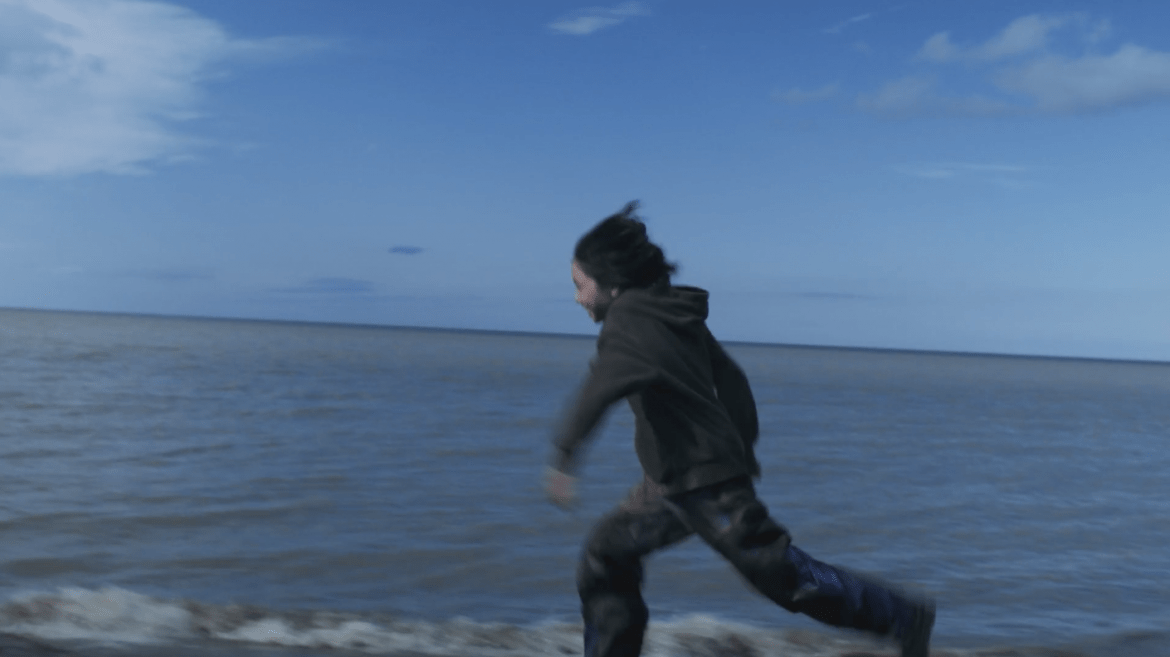
In 2009, a 500-year-old artifact was discovered on the beach outside of Quinhagak, Alaska, opening the door to the most productive archaeological dig in Arctic history with 60,000 artifacts recovered so far. In 2009, the site was 50 feet from the ocean. Today it is ten. To help: gofundme.com/nunalleq For more info: nunalleq.wordpress.com/ Children of the Dig is a Branstetter Film production produced in collaboration with the Nunnaleq Project, Qanirtuuq, Inc., the Village of Quinhagak, and the University of Aberdeen with support from the Arts and Humanities Research Council. A Branstetter Film, 2018, all rights reserved.
Sled dog care and mushing program leads children into the future
[by Jayme Dittmar]
People and dogs have coexisted and worked in unison for thousands of years across North America and Siberia. The oldest archeological evidence suggests that humans started using dogs as an integral part of their nomadic lifestyle as long ago as 14,000 years, in their migration across the Bering Land Bridge.
Actor Henry Winkler talks fly fishing
[by Jim Dobson]
AN ACCOMPLISHED SPORTSMAN WHO METICULOUSLY RECORDS THE MEASUREMENTS OF EVERY FISH HE HOOKS, actor Henry Winkler has learned that his seasonal fly fishing trips on American rivers, including in Alaska, are not just about catching trout.
Follow Alaska’s fall colors south to Lost Lake
[by Mollie Foster]
As spectacular as they are, it’s surprisingly easy to miss fall colors in Alaska. Once the leaves start changing hues, they only stay on the trees for two to three weeks, with peak foliage lasting only 48 hours in some areas.
Experience Denali Park in autumn
[By Julie Stricker]
A crisp breeze ruffles the fur of a tawny grizzly as it grazes in a patch of blueberries only yards from a busload of people. They whisper excitedly as camera shutters whir, but the bear is intent on its meal and pays no attention.
A True Alaskan Adventure from Mike Bauer on Vimeo.
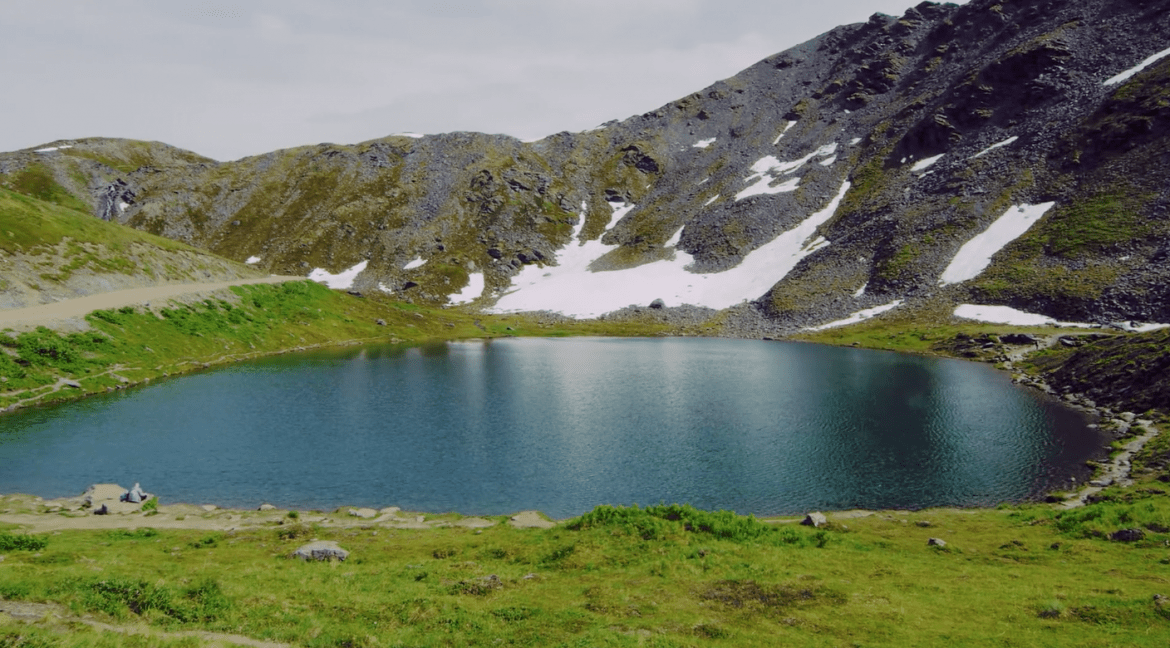
Hatcher Pass, Alaska. Beautiful Earth Series from James Weber on Vimeo.