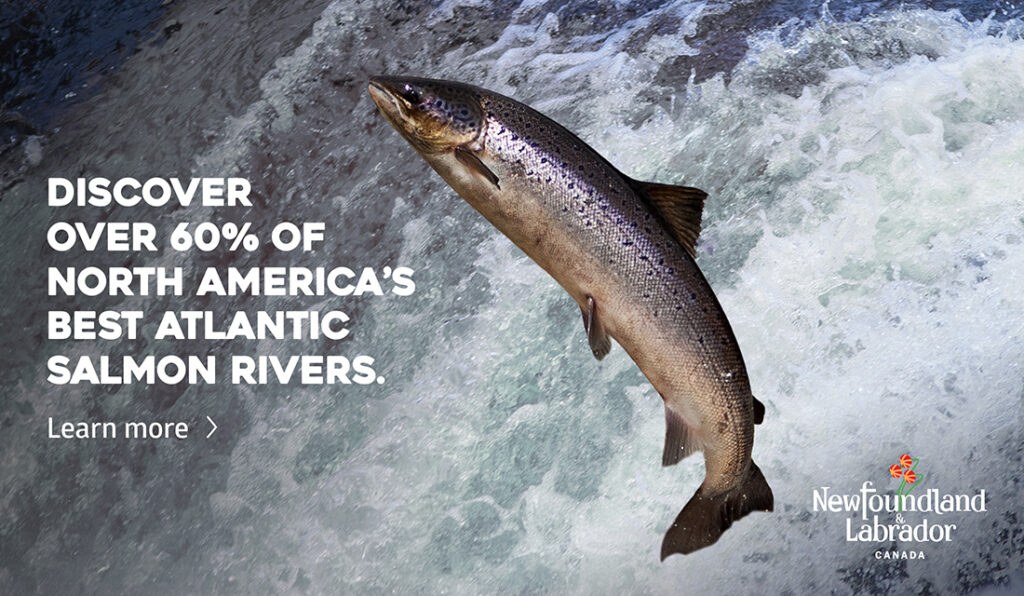
Adventure Medical Kits offers a wide variety of ready-made first aid kits targeted to different pursuits and scenarios.
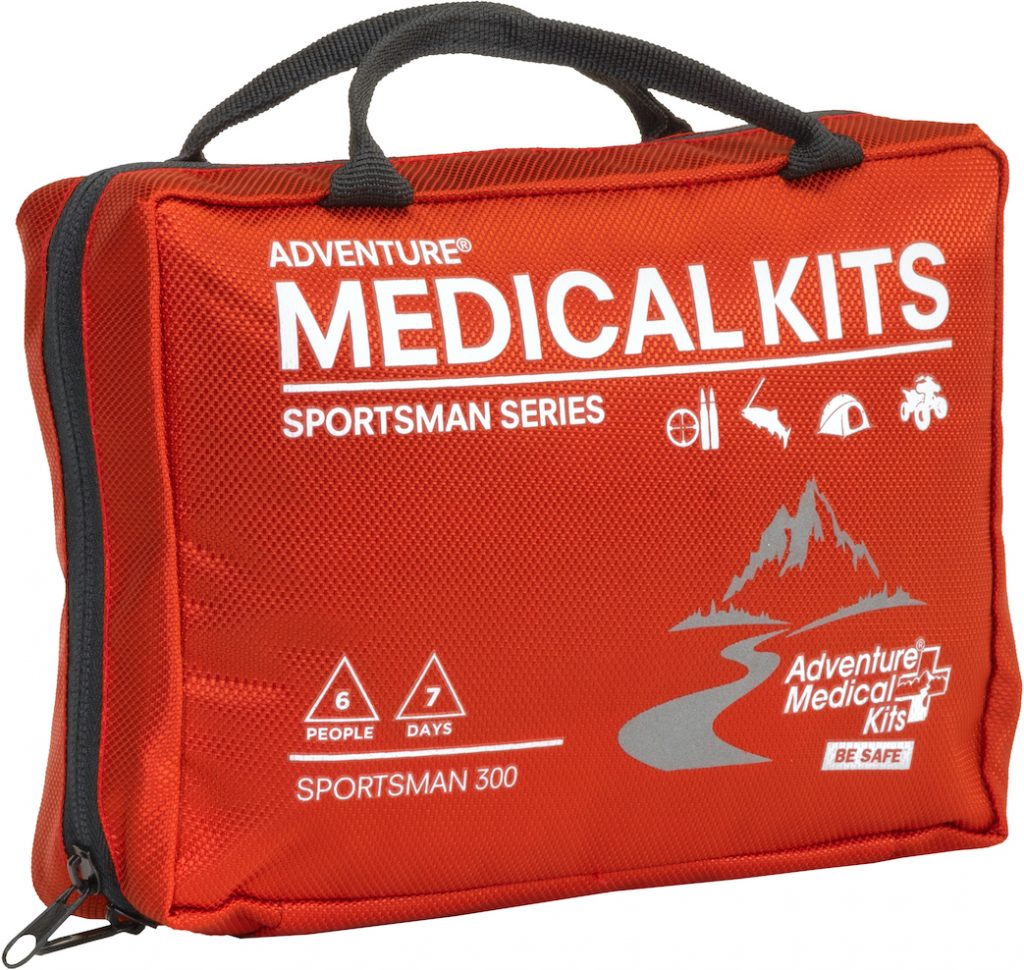
Adventure Medical Kits offers a wide variety of ready-made first aid kits targeted to different pursuits and scenarios.

Igiugig, a village of about 70 on the Kvichak River near Lake Iliamna, is in the process of converting to run on hydrokinetic power.

Alaska magazine asked a few prominent Alaskans from various segments of our community to weigh in on their favorite
activities, libations, and destinations in the state.

Iditarod competitor Jeff Deeter shares the mushing gear he relies on to stay warm and safe during his winter travels in Alaska.

Enjoy Alaska’s glaciers vicariously with this photo essay of glaciers around the state.
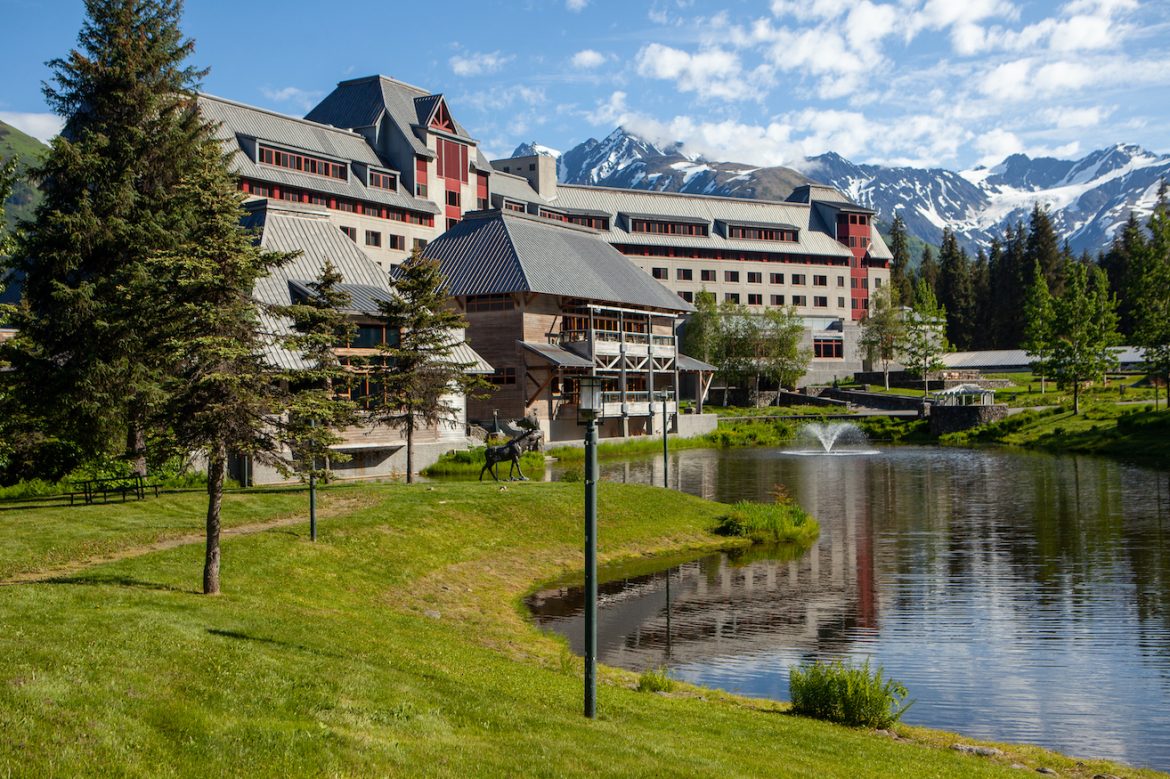
The crown jewel of Girdwood is Alyeska Resort, a year-round vacation retreat located just 40 miles from downtown Anchorage.

Dick Griffith has trekked 10,000 miles of Alaska and the Canadian Arctic and is considered the grandfather of packrafting.

Mammoth remains discovered in the Pribilof Islands may belong to what was the last mammoth alive in Alaska.

Alex Trebek, the longtime Jeopardy! host who died in November 2020 after a battle with pancreatic cancer, supported the Musk Ox Farm for more than three decades. The Palmer-based farm is a nonprofit dedicated to the domestication of muskox. It harvests qiviut, an ultra-fine wool, from the muskox and runs farm tours. In the late 1980s, the farm’s former executive director contacted Trebek after learning the game show host’s favorite animal was the muskox. A few months later, Trebek called the farm and the relationship was born. Trebek visited on several occasions. His foundation made financial donations to the farm, and for over 30 years he personally signed every adoption certificate for the nonprofit’s Friends of the Musk Ox program. His involvement was so consistent the staff referred to him as the “herd godfather.” The nonprofit’s current executive director, Mark Austin, says multiple celebrities have visited the farm over his…

Filmmaker Pete Bell’s documentary about the residents of McCarthy, Alaska.