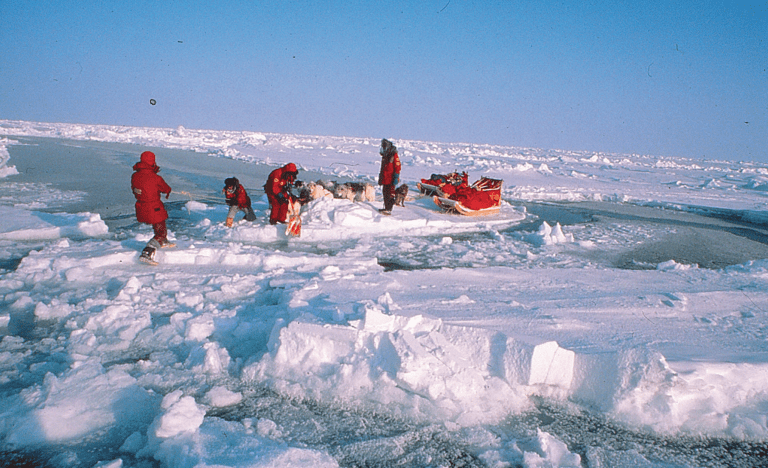
This excerpt from Mr. Engelhard’s new memoir, Arctic Traverse: A Thousand-Mile Summer of Trekking the Brooks Range, (Mountaineers Books) is printed with permission.
This excerpt from Mr. Engelhard’s new memoir, Arctic Traverse: A Thousand-Mile Summer of Trekking the Brooks Range, (Mountaineers Books) is printed with permission.
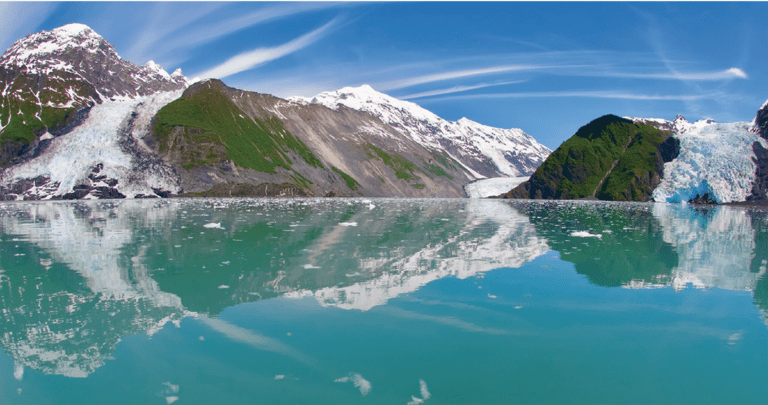
Above: Barry Arm in Prince William Sound. The slope that could slide is pictured left of the Barry Glacier (middle glacier). Photo by William Rome Public lands, the theme of this month’s issue, have many meanings. They are valued for recreation, heritage, tourism, preservation, and of course as longtime homelands for Alaska Native people. But they also hold scientific value, as shown by recent research of new landslide risks in Prince William Sound. In 2020, scientists discovered a potentially large landslide that could trigger a tsunami in Barry Arm in western Prince William Sound. It followed retreat of the Barry Glacier, part of the Chugach National Forest. The glacier withdrew from beneath a massive wall of rubble that now hangs above the narrow ocean channel. If the “debuttressed” wall comes down, models show it could send up a tsunami of over 1,500 feet in the popular Harriman Fjord area. A…
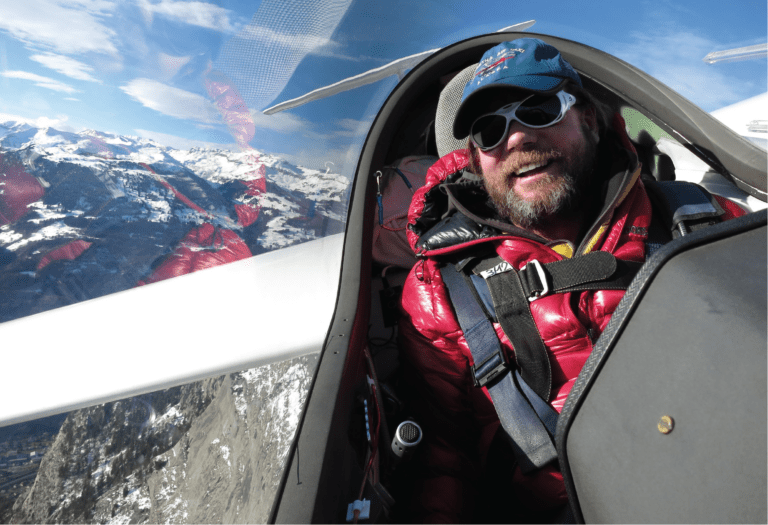
Above: Paul Claus At 24 hours old, Paul Claus took his first flight in a Piper Super Cub. Sixty-five years later, he can still be found soaring across Alaska’s skies, as captivated by wilderness as when he was a child. Whether dropping off mountaineering expeditions or taking guests from his family’s lodge to ski on untouched slopes, Claus sees his airplanes as tools to access Alaska’s wild places. In a state where about one person out of every hundred is a pilot, Claus has become a legend, a man dedicated to exploring and sharing his remote corner of Alaska. Claus specializes in true bush flying—no landing strips, no guidebooks, and preferably no one there before him. His daily adventures are classed as experiences of a lifetime in most people’s books, but he believes that he’s just an ordinary guy with the good fortune to do what he loves. And what…
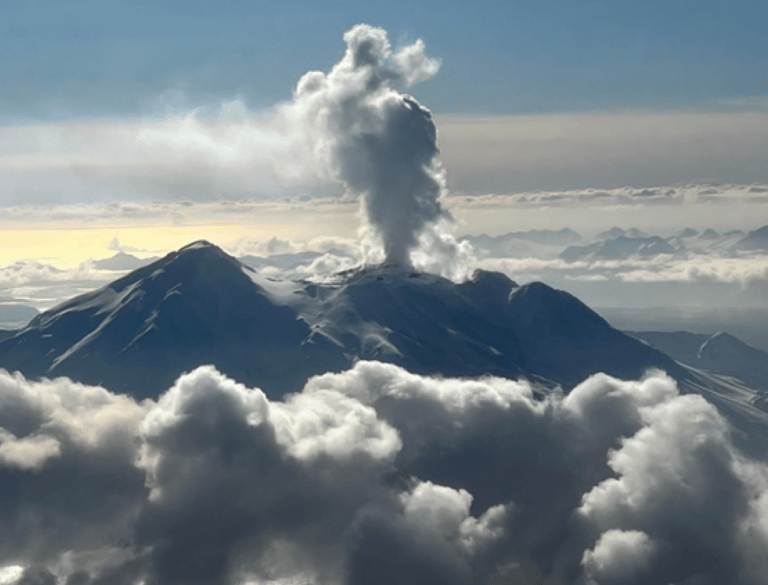
Public lands come in many shapes, including the giant oval dome that is Great Sitkin Mountain in the central Aleutian Islands 26 miles east of Adak. Rising to 5,709 feet, Great Sitkin (Sitх̑naх̑ in Aleutian) is part of the Alaska Maritime National Wildlife Refuge, managed by U.S. Fish and Wildlife Service. It is also within the federally designated Aleutian Islands Wilderness.
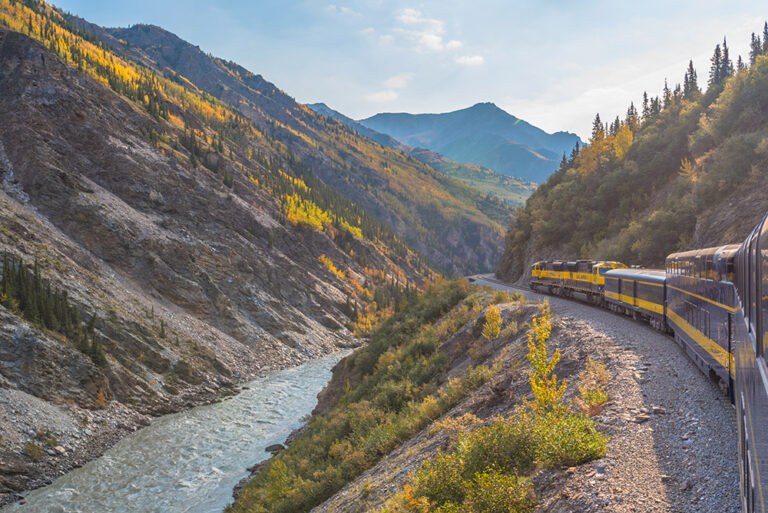
Imagine sitting back, relaxing and taking in the bright oranges, yellows and reds of Alaska’s leaf peeping season during a 4- to 6-hour journey on the Alaska Railroad. Starting in mid-August, the leaves start changing in Alaska’s short but vibrant autumn.
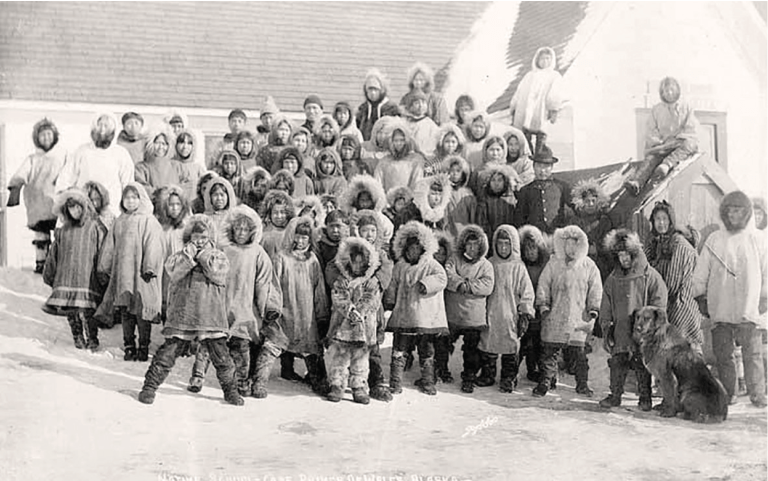
The Molly Hootch case, which ultimately dismantled a discriminatory education system for rural Alaska Native students, was first filed in Anchorage on August 1, 1972.
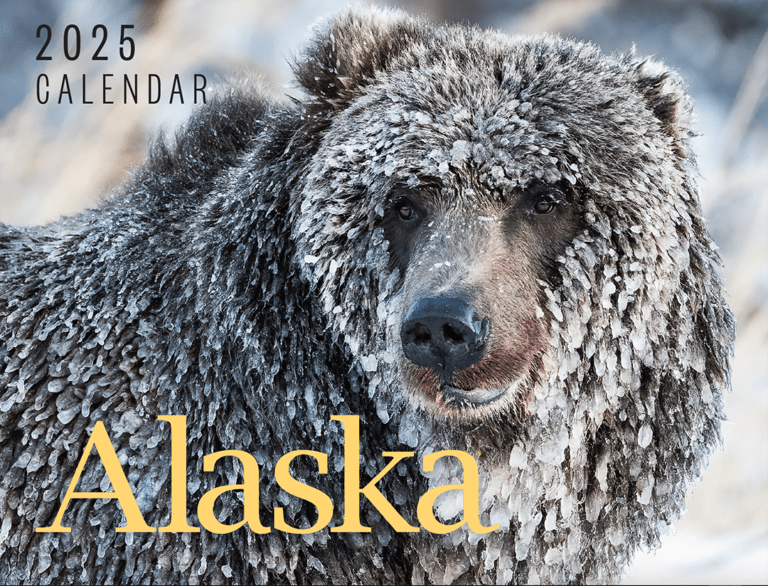
To obtain your 2025 Alaska magazine calendar, just click the link below and purchase for $11.95 USD.
Geoff Carroll worked as a biologist for 50 years studying whales, muskoxen, and caribou near his home in Utqiagvik. While he’s originally from Wyoming, he has spent most of his life exploring the Arctic and learning about its animals, its people, and its rhythms. In fact, his research on bowhead whales helped protect the tradition that defines America’s northernmost people.
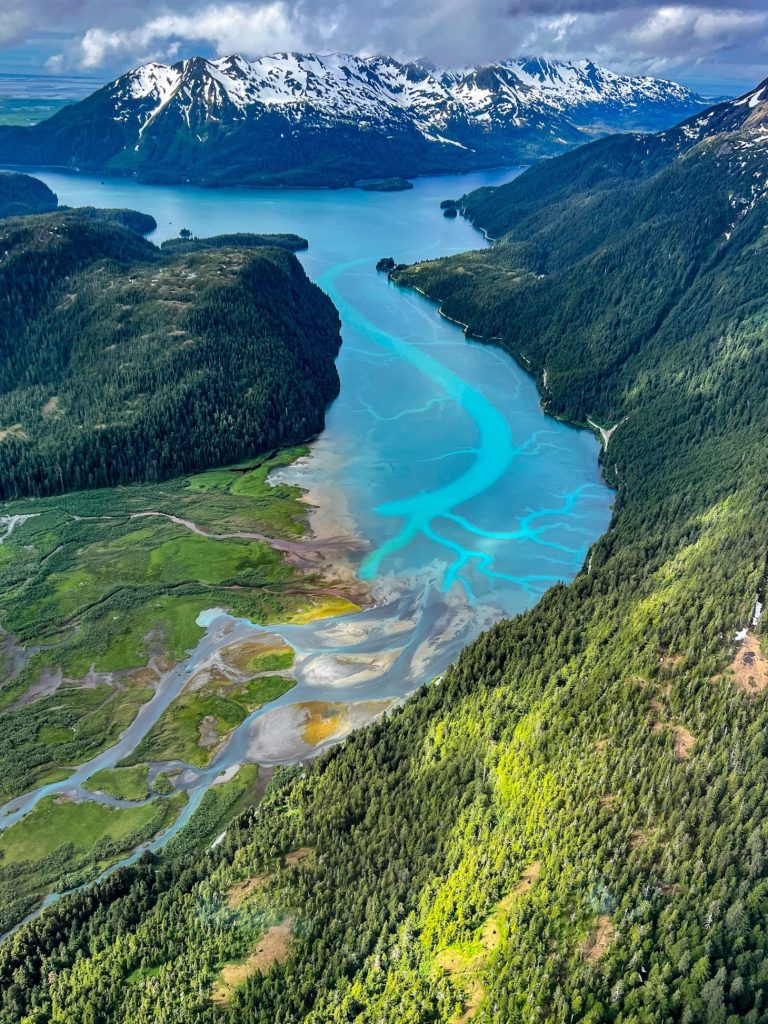
Get Inspired For many people, a trip to Alaska is a once-in-a-lifetime dream fulfilled. For others, it’s a return to one of their favorite places on the planet. And some visit once and decide to make the state their home. There are reasons aplenty to come to the Great Land and explore: An abundance of wildlife, unique cultural experiences, and unparalleled scenery are just a few. Building time into your itinerary to relax and absorb the small delights is always a good idea, too—enjoying quirky cafes, strolling through a boat harbor, groovin’ to some live local music. And if you’ve never been here, we hope these photos nudge you to start planning. Who knows, in just a few short months, you could be watching humpback whales bubble-net feeding or be flightseeing around the summit of Denali. After all, every adventure starts with an inspiration. —Susan Sommer 1. A pair of…
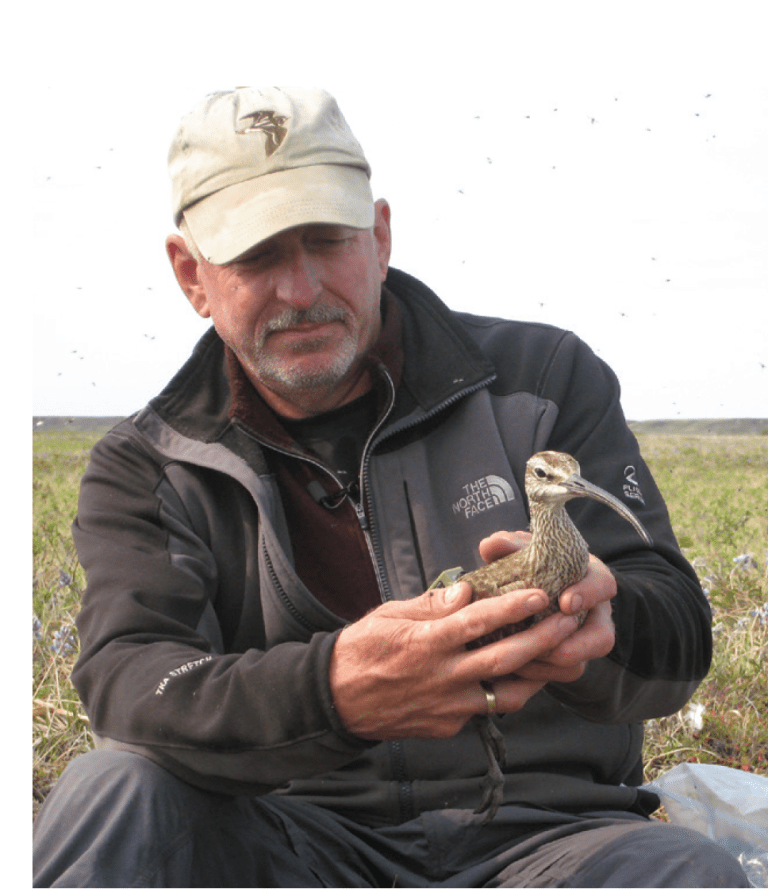
Want to see the flight paths of migrating swans as they come and go from Alaska? Or the seasonal meanderings of Pacific walruses in the Chukchi Sea? Now you can via USGS’ new Tagged Animal Movement Explorer (TAME). The online tool animates the migratory routes of hundreds of marine mammals, seabirds, and others that are carrying satellite transmitters.