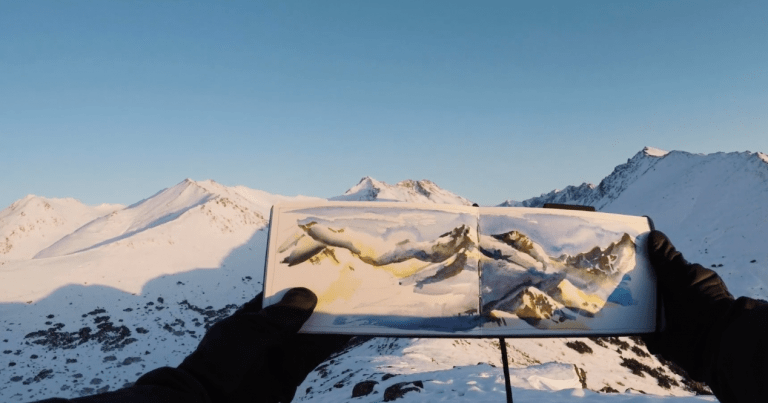
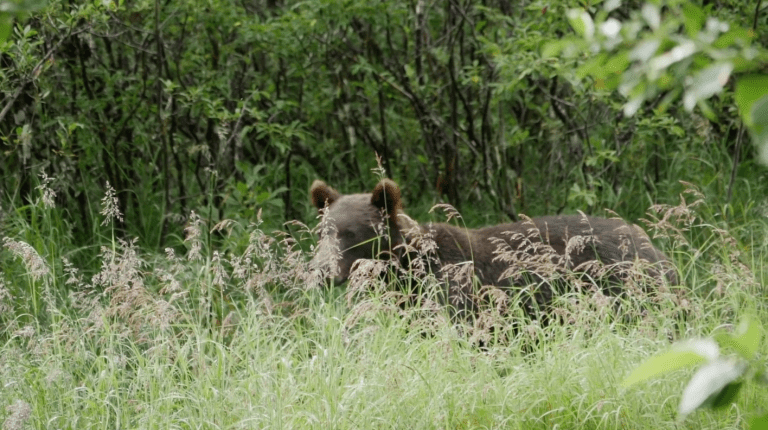
This video was made by students that participated in the UO SOJC’s Science & Memory Summer 2018 experiential learning program. To learn more, please visit our website: scienceandmemory.uoregon.edu/

Intentional community eats with purpose [by Amy Newman] LIVING OFF THE LAND IS THE ALASKAN WAY: Alaska’s Native people have led a subsistence lifestyle for generations; sportsmen stock their freezers with salmon and halibut in the summer and moose and caribou in the winter; weekend foragers spend the late summer months filling buckets to overflowing with berries for jellies and jam. Yet even in a state where subsistence living doesn’t elicit much awe, Ionia, a 200-acre intentional community located in Kasilof, 160 miles south of Anchorage on the Kenai Peninsula, manages to stand out. The 45 men, women, and children who live in the semi-isolated community focus on living as naturally and healthfully as possible, said Eliza Eller who, along with her husband, Tom, was one of the community’s founders. The idea for Ionia was formed more than 30 years ago, in 1970s Boston. Four families, each experiencing mental and…

Life Beyond Walls: Alaska After the extensive travel to the Last Frontier, Xavier De La Rue and Ralph Backstrom set up base camp amongst the giants of the Alaskan Mountain Range. Just outside the tent walls, Xavier and Ralph found themselves not only living life beyond walls, but on them. Music by- Artist-Colormusic Song-“Silvertape” Album-May You Marry Rich Courtesy of Great Society

Fairbanks is the largest city in the Interior, and a well-known and commonly visited place within Alaska. While summertime is the most popular time for visiting, with at least 21 hours of sunlight each day, traveling to this area in the winter is a trip that has its fair share of benefits too.
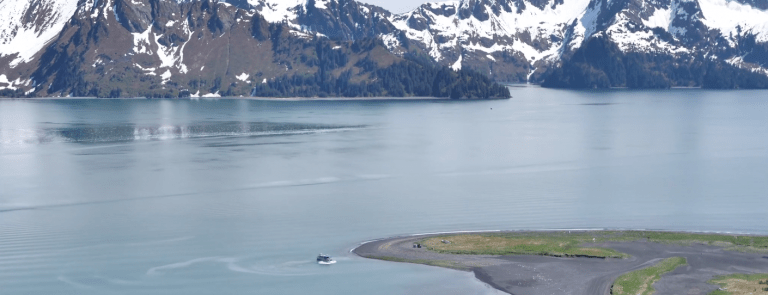

WE HEARD HIM FIRST, the rythmic unkh, unkh, drifting eerily through the morning fog. Closer he came and louder, and suddenly he was on us, wraithlike in the drifting mist, coming straight at us.

[by Kurt Jacobson]
WHEN I MOVED TO THE KENAI PENINSULA IN 1984, I heard it took an average of 40 hours to catch a Kenai king salmon. That is assuming you do most things correctly while fishing for the monster-sized prize of the Kenai.
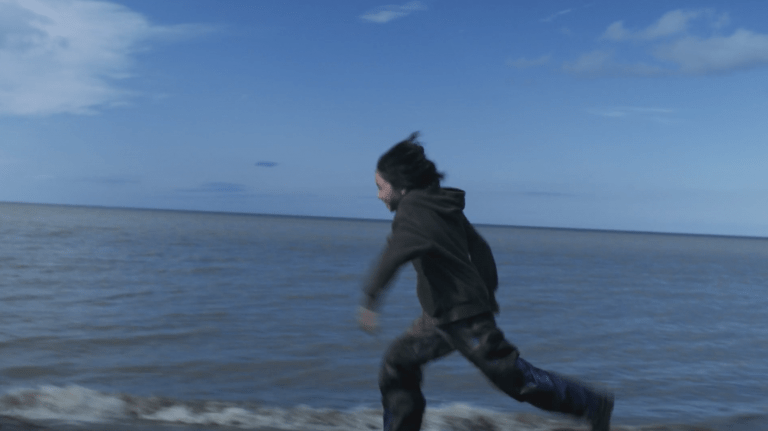
In 2009, a 500-year-old artifact was discovered on the beach outside of Quinhagak, Alaska, opening the door to the most productive archaeological dig in Arctic history with 60,000 artifacts recovered so far. In 2009, the site was 50 feet from the ocean. Today it is ten. To help: gofundme.com/nunalleq For more info: nunalleq.wordpress.com/ Children of the Dig is a Branstetter Film production produced in collaboration with the Nunnaleq Project, Qanirtuuq, Inc., the Village of Quinhagak, and the University of Aberdeen with support from the Arts and Humanities Research Council. A Branstetter Film, 2018, all rights reserved.

[by Jayme Dittmar]
People and dogs have coexisted and worked in unison for thousands of years across North America and Siberia. The oldest archeological evidence suggests that humans started using dogs as an integral part of their nomadic lifestyle as long ago as 14,000 years, in their migration across the Bering Land Bridge.