Elements Last September, the remnants of Typhoon Merbok became one of the strongest storms ever known to hit Alaska, bringing 50-foot seas, devastating tidal surges, and hurricane-force gusts to the Bering Sea region. The giant storm impacted over 40 communities along 1,300 miles of mostly low-lying coastline. For many, recovery has been slow. Along Merbok’s path, rural communities lost homes and infrastructure. In the Norton Sound region alone, tidal surges topped a protective storm berm in Shaktoolik and destroyed three miles of road in Golovin. In Nome, winds fanned a fire that destroyed the Bering Sea Saloon. But in rural Alaska, damage to subsistence resources is just as important. Across the region, power outages threatened freezers full of winter food, while flood waters destroyed snowmachines, boats, and other equipment essential for hunting and fishing. Smokehouses, remote cabins, and fish camps—some that have been passed down through generations—were also damaged or…
Alaska’s true king of the uplands by Joe Jackson This is a tale of two spruce grouse, and it begins in mid-September. The dawn is stingingly cold and the leaves flutter groundward to remind me that another year has passed. I try to ignore the impending winter and focus on the task at hand: a side-by-side shotgun in my grip, a pocket full of shells, a flurry of daydreams filled with hard-flushing grouse. That’s when I came upon the first bird of our story. He was a doddering male spruce grouse propped stoically in the middle of the trail, his tail fan spread proud as a turkey. I approached carefully. Given the circumstances—him sitting there all innocent, me refusing to shoot grouse on the ground—I decided to let this one go, but not before seeing how close he’d let me get. Each step brought me closer. Finally, as I nearly…
Appreciating Alaska’s parks and other public lands I live in Alaska because I was born and raised here, and it will always feel like home. But I stay in Alaska because it’s the only place on the planet with so much dramatic and varied wilderness. Alaska’s national and state parks alone total nearly 60 million acres. Some of that is right out my back door. Getting away from it all to play on public lands is as easy as hopping in my car and driving 30 minutes to a trailhead. Add a bit longer drive plus an air charter or water taxi, and I could be dropped off in the middle of nowhere to enjoy only my own company for days or weeks on end. Once out there, though, I wouldn’t really be alone, as so many wild creatures roam the land and water: grizzlies in Denali National Park and…
The evolution of an outdoor girl I thought I was a wild girl once. Not the boobies on the bar after Jell-O shots kind of wild, but a girl in her 20s who chose to live in the mountains alone, after growing up in three of the largest cities in the United States—sort of Where the Crawdads Sing meets Into the Wild, without the leeches or abandoned bus. Almost three decades ago, I packed up my new Nissan Pathfinder and two Texas-born huskies and drove 1,000 miles west from San Antonio to Boulder, Colorado, aching to find a place to call home. The Pathfinder, like me, looked ready for adventure, but with its rear-wheel drive suspension and Texas plates, it was an unprepared poser that was more apt to end up spinning on ice than summiting any peaks. It made all the sense in the world to seek refuge and…
Alaska’s Other Gold A decade ago in late July, my wife, MC, was picking salmonberries at the edge of the forest on Admiralty Island when she startled a brown bear. I spoke to the bear gently as MC backed away. As we left, we walked past the end of the berry patch, where we had stashed our kayak, to the edge of a meadow where the sea met a stream. Pink salmon leapt continuously into the air. Hundreds, maybe thousands, were schooled up at the mouth of the stream. That evening, we went to retrieve our kayak. Next to its hull lay a bright, silver-colored pink salmon with one large bite taken out of it. Nearly all the salmon we’d watched jumping had begun to mottle with their spawning colors. I knelt over the salmon, pondering why the bear had dropped it there until I sensed the bear was bedded…
In Search of the Porcupine Caribou Herd Text by Doris Hausleitner Images by Peter Mather We peer out at the Yukon River from the dusty roads of Dawson City. “The smoke is definitely worse,” Jonathon concludes. “I see less of the other shore today than I did yesterday.” It is the end of June, and wildfire season has come early to the Yukon and Alaska. Aggressive fires burning north of Fairbanks have already changed our original plan—to fly into the Kongakut River in Alaska and hike to the Firth River in the Yukon with the hopes of intercepting the migrating Porcupine caribou herd. Now the fires burning between Dawson City and Old Crow and problems changing our landing permit into Ivvavik National Park are threatening to thwart our plans completely. Our team is a diverse group. I’m a wildlife biologist and instructor at a local college in southeastern British Columbia.…
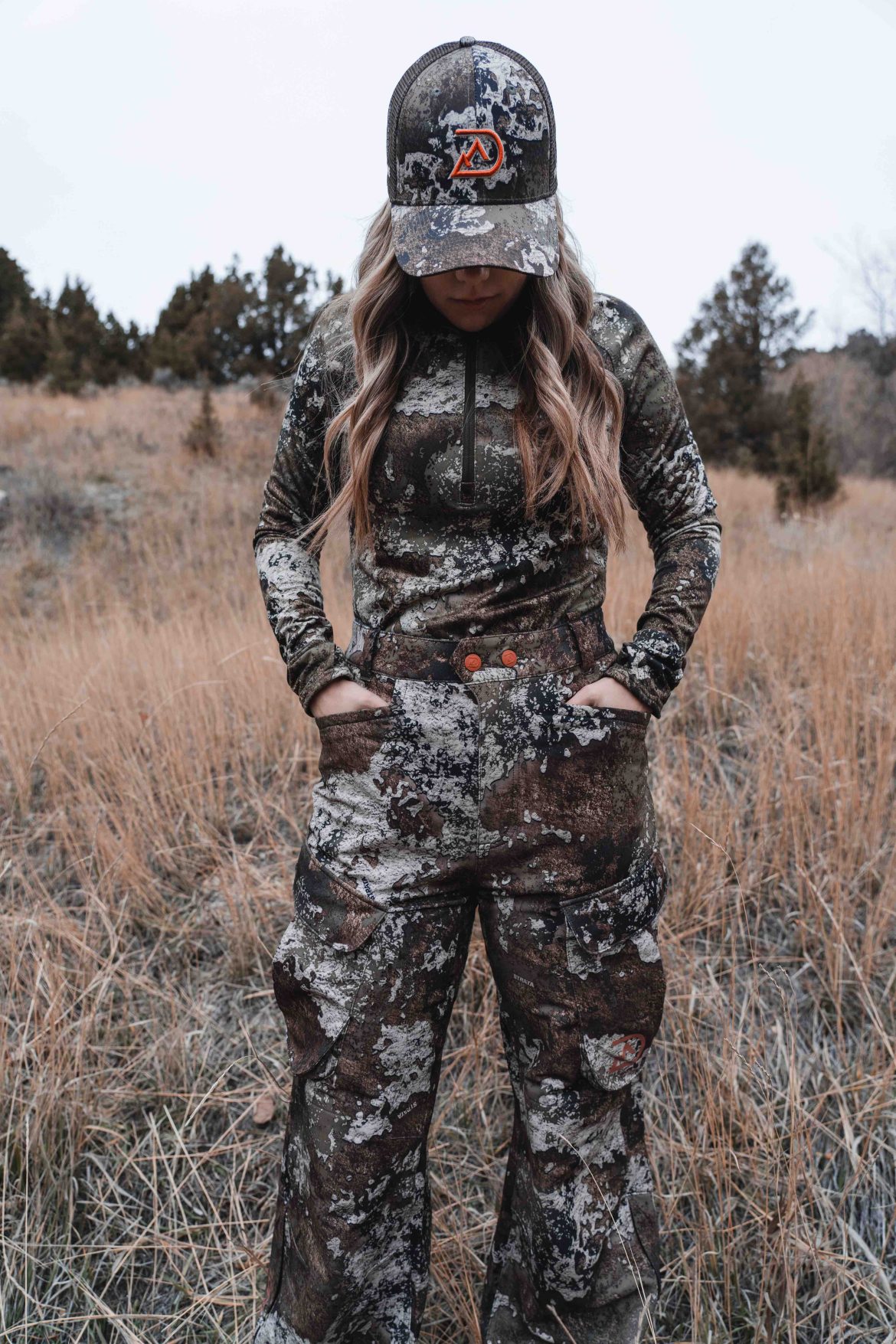
Gear Review By Bjorn Dihle When Ditale, an outdoors women’s clothing company, reached out to me about testing their Sofia Adventure Pants, my wife, MC, happened to be looking over my shoulder. I felt weird at the idea of reviewing women’s clothing, so, luckily MC was happy to take the task on herself. She loves Sofia Adventure Pants. They’re clearly high quality, and are warm in cool conditions, breathable, and rain-resistant—all prized qualities in southeast Alaska’s cool, rainy, temperate rainforest. She’s worn them hiking, sledding, foraging, fishing, and kid-wrangling (which is a part of most her activities) and is planning to wear them hunting when Sitka blacktail season kicks off. They have several big pockets, including the typical hand-sized front pockets and big, snap-closed pockets at about mid-thigh that are handy for things you might want easy access to and have proven handy multiple times. She was initially afraid they…
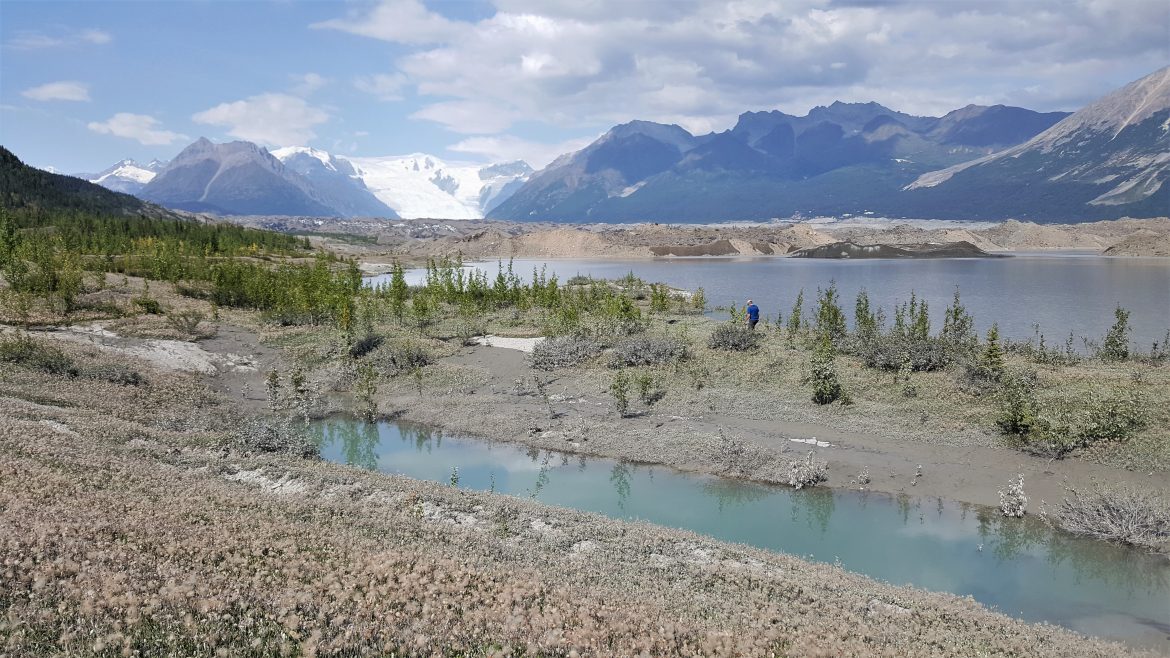
Glaciers are Alive connects young audiences to wonders In her latest book, released in May 2023, Alaskan author Debbie Miller introduces young readers to the fascinating world of glaciers. Aimed at readers between four and eight years old, it is her 12th collaboration with long-time Alaskan illustrator Jon Van Zyle. Glaciers Are Alive is a journey down an Alaskan glacier, from its source high in the mountains to its terminus in the ocean. Along the way, readers meet the goats, bears, birds, and even the ice worms who thrive in glacial landscapes. Where the ice meets the ocean, Miller highlights the rich habitat it creates for seals and other marine life. And she describes how glacial ice keeps Earth cool. “Glaciers build habitat as much as they carve their way through it,” says Miller, who found inspiration for the story while writing her 2018 nonfiction book, A Wild Promise, about…
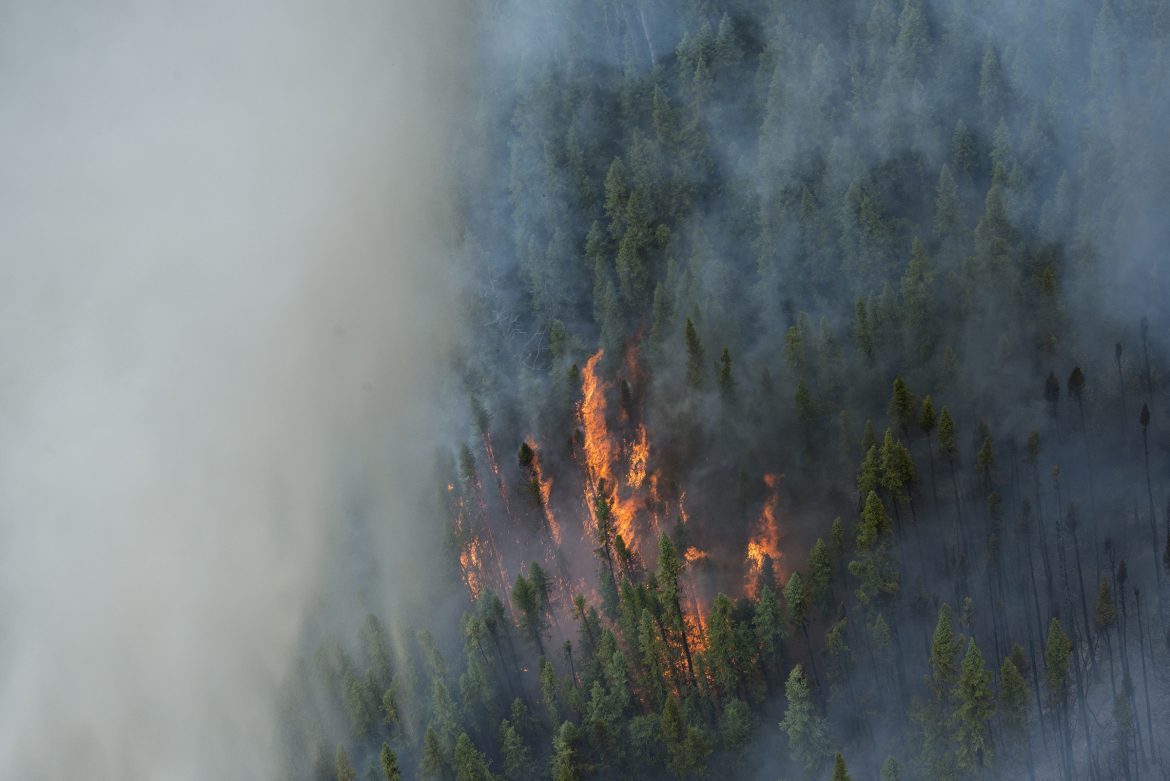
July brings the height of Alaska’s busy wildfire season. At this time, lightning, dry vegetation, long hours of warm daylight, and human activities all conspire to light new fires and keep old ones going. Wildfire is a natural part of most Alaskan ecosystems. As elsewhere, it contributes to forest health, nutrient cycling, and wildlife habitat. It occurs most frequently in the state’s interior and least in the south-coastal rainforests. But climate change is altering fire’s dynamics. First, Alaska’s snow season is arriving later and ending earlier, leaving more time for fire to burn. Summertime temperatures are also rising, leading to more dryness, heat, and expansion of fire northward. Lightning is also increasing. And warming nighttime temperatures help fires retain more energy overnight. Many Alaskan fires are allowed to burn in remote areas to maintain natural processes, but wildfires threatening communities are suppressed. Fighting fire is an important career in Alaska,…
Remembering Alaska’s “Moose Man” I got the hard news in a group email last September—biologist Vic Van Ballenberghe was gone. I could practically feel the collective sigh as the news radiated outward across Alaska, the Lower 48, and worldwide to scientists, conservationists, writers, filmmakers, and others who had known him, or his work. His passing hadn’t come as a surprise; at age 78, he’d been struggling with Parkinson’s for years. But letting go of Vic and imagining Alaska without him would take a while. Though they should, most Alaskans probably wouldn’t recognize his name. A short version of Vic’s bona fides goes like this: he was regarded as a (some would argue the) premier moose biologist, especially noted for his keen observational skills and uncounted thousands of hours of boots-on-the-ground field research stretching over a 50-year career. He published scores of peer-reviewed scientific papers, editorials, and articles, plus a fine,…