A time of renewal for all Capsizing in my sea kayak is one of my biggest fears. Taking a class in self-rescue is on my list, and I know that completing such a task would ease my anxiety. I’ve practiced in shallow, calm, warmish lake water—and though I was able to haul myself back on deck and into the cockpit, it was exhausting and required all my strength. I ended up with bruises. Tipping over in cold marine chop far from help is another story altogether, and one we present as a feature in this issue, about an experienced kayaker whose wherewithal, preparation, and luck saved his life. Alaska’s waters are, of course, also major sources of fun, subsistence, income, environmental data, and natural beauty. We cover all of this in these pages, from spring river breakup to a portrait of a remote island in the Bering Sea to steelhead…
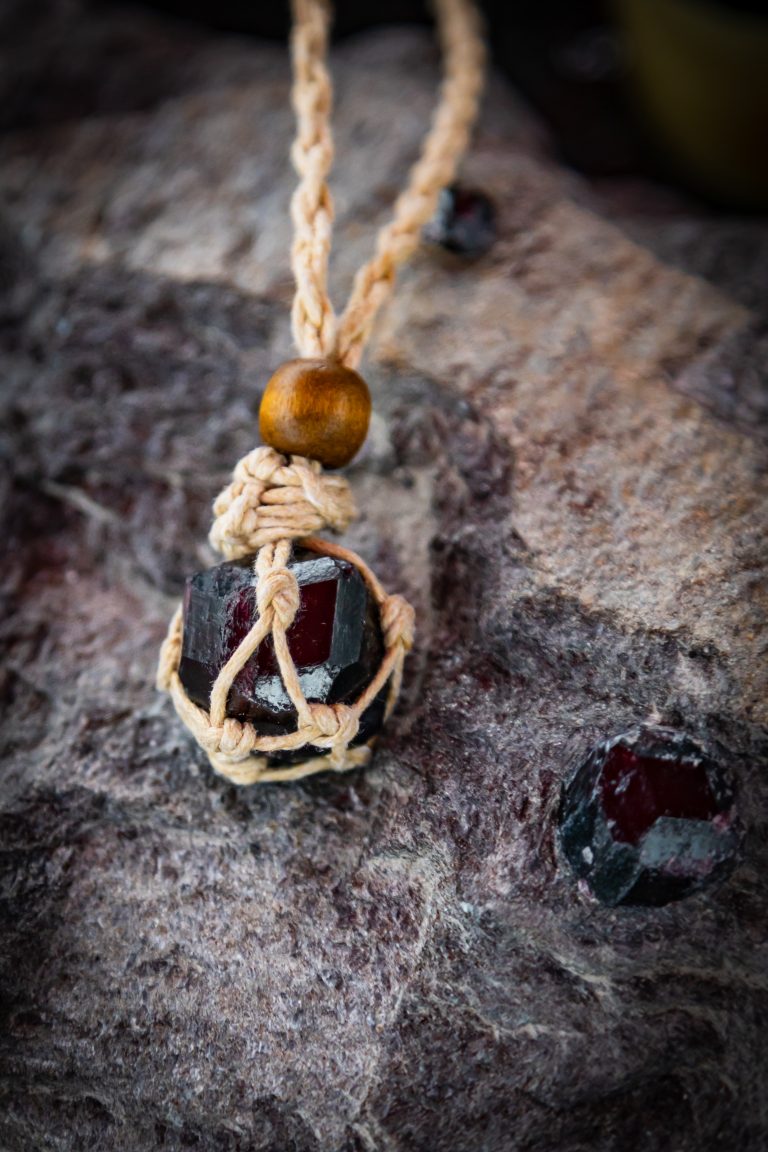
A Family Endeavor The source of the garnets is an above-ground mine located approximately seven miles from Wrangell near the mouth of the Stikine River at a place aptly named “Garnet Ledge.” Garnets are crystalline gemstones formed under great heat and pressure that are translucent and red. At this location, they are embedded in a bedrock layer made up of very hard schist. The first documented commercial use of this site dates back to 1907 when two sisters formed the Alaska Garnet Mining and Manufacturing Company, reportedly the first all-female owned corporation in the U.S. This endeavor did not use the garnets as gemstones, but rather made them into sandpaper, which they produced into the 1930s. Ownership of the site changed hands several times over the years, and in 1962 it was bequeathed to the Boy Scouts of America from then owner, Fred Hanford. A stipulation that he included in…
A Kayaker Fights for His Life in an ice-cold sea by Matthew Keiper The sun was low over Kodiak Island by 3 p.m. on Christmas Eve, 2014. It was just midday and yet nearing dusk as Frank Wolfe clung to the side of his flooded kayak. He frantically searched for an answer from the center of a small bay notched into the northeast corner of the Island. He turned to one shoreline, then the other while spitting sea water from his mouth. No way. There was no way he could swim any distance in these conditions, in these clothes, even with his life jacket on. He was an optimist and an analytical thinker—a problem solver by trade, he believed—but this situation was different. Grim. Even so, he hesitated before pulling the handheld marine radio from his pocket and broadcasting his predicament. He keyed the mic and announced into a void,…
And Maybe New Protections by Yareth Rosen (Editor’s note: This article is reprinted from Alaska Beacon under a Creative Commons license and edited for space and style. alaskabeacon.com) Scientists were on the water last summer gathering information about a once-mysterious habitat—the large and varied gardens of colorful corals that cover parts of the Alaskan seafloor. What they learn could prompt new restrictions for commercial seafood harvests. Though often associated with tropical locations, corals and associated sponges are also important features of Alaska’s marine ecosystem. Some of the state’s sites are believed to hold the world’s most diverse and abundant deep-sea coral and sponge communities, according to the National Oceanic and Atmospheric Administration. And like their tropical counterparts, Alaskan corals are vulnerable to disturbances—from bottom-scraping trawl nets, climate change, and ocean acidification. In the Gulf of Alaska, a NOAA research cruise that uses remotely operated vehicles and underwater cameras followed a…
Chum for the Fishes I admit it’s an icky subject but given the fact that much of Alaska can only be explored by water—and that most tourists first experience Alaska by taking a cruise. Let’s put aside our squeamishness and do a deep dive into the issue. What causes it? According to the National Oceanic and Atmospheric Administration, “Seasickness is a result of conflict in the inner ear and is caused by a vessel’s erratic motion on the water. Inside the cabin of a rocking boat, for example, the inner ear detects changes in both up and down and side to side acceleration as one’s body bobs along with the boat. But since the cabin moves with the passenger, one’s eyes register a relatively stable scene. Agitated by this perceptual incongruity, the brain responds with a cascade of stress-related hormones that can ultimately lead to nausea, vomiting, and vertigo.” Basically,…
Absolute Perfection The jet skiff skimmed up the Ambler River, my guilt fading with each bend. I’d sworn to myself to stay glued to home, attending to a pile of now-or-next-year chores. But here I was, heading out into the country instead. The day had started with the same grungy, rain-spattered weather that had defined the past month; but by afternoon the clouds had dissolved into a blue sprawl of sky, colors glowing, the breeze sighing of summer—the best day of the whole damn fall. As a bonus, the hordes of mosquitoes and gnats that had plagued us had evaporated. So, what to do—spend this afternoon patching and painting a storage shed desperate for it five years ago, or take a river run somewhere? Not much of a decision. The shed was good at waiting, after all. Soon as I’d decided to duck out, I knew where I was going—up…
Advanced Lessons on the High Seas by Scout Edmondson It’s 2 a.m., dark and windy. F/V Epick bobs along in tumultuous gray water near the beach, while I sit on a buoy in the corner of the port side stern with tears streaming down my face. Just moments before, the towline connecting the net to the Epick’s mast got caught on something along the railing, sprang loose, grabbed my head, and smashed my face against the thick aluminum stern roller. My baseball cap, caked in sea salt and fish slime, flew off my head and over the stern and floated away in the dark. I’m crying because my head hurts, but also because I’m a scared, sleep-deprived 18-year-old in a harsh, dangerous place. My captain, fellow deckhand, and I are on set in the Nushagak district of Bristol Bay, trying to catch enough sockeye salmon to stay on quota for…
Alaska is a state that has not embraced sports betting or casino gaming in the same way other states have. It’s in a bracket alongside other huge states such as Texas and California. One factor that links all three states is that they have huge industries, meaning they do not need to rely on gambling to increase the taxes they collect. California is a global tech hub, and Alaska and Texas are both significant oil exporters. As a result, it’s more challenging for lobbyists to put together the arguments for legalizing sports betting. Thousands of people within these states would like to see it regulated and legal, and plenty within these states circumvent these laws and place bets online anyway. However, from a regulatory perspective, this isn’t beneficial for companies or regulators. That’s not to say there’s a blanket, draconian ban as there are games that Alaskans can access online,…
Hearing loss affects millions of people worldwide and can significantly impact a person’s quality of life. It can lead to difficulties communicating with others, social isolation, and even depression and cognitive decline. In addition, hearing loss can contribute to other health problems, such as falls and accidents. One of the challenges in addressing hearing loss is that many people do not seek treatment for it or may not be aware that they have a hearing problem. This is why raising awareness about hearing health and encouraging regular hearing tests is so important. By raising awareness about hearing loss as a growing health threat, we can help people take action to protect their ears and seek treatment for hearing loss when necessary. This can help improve their quality of life and reduce the risk of developing other health problems associated with untreated hearing loss. (OFFICIAL SITE) Click Here To Order Cortexi…
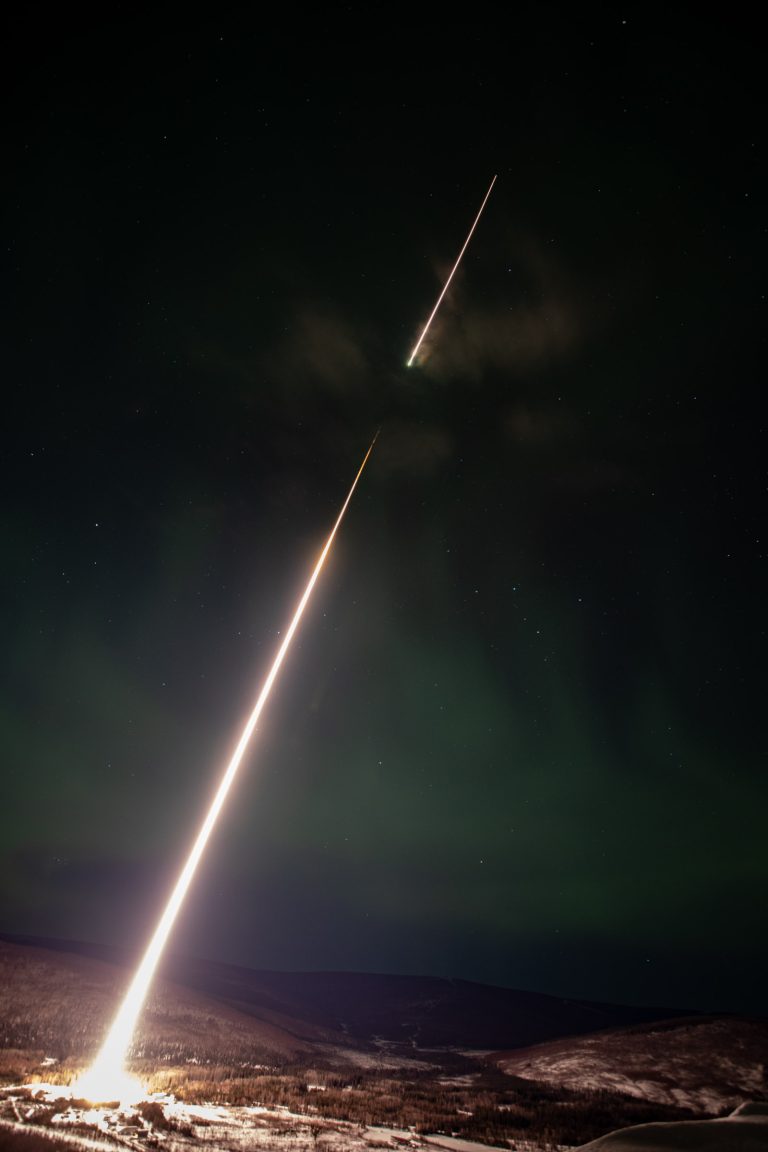
Next Few Years Could be Hard to Beat The sun is on fire these days. Ahead of an expected spike in solar activity, it is hurling massive blobs of hot plasma toward Earth. And while this may disrupt civilization, the flipside is that it will likely bring awesome aurora. According to Don Hampton of the Geophysical Institute at the University of Alaska Fairbanks, approximately every 11 years our sun’s magnetic poles switch. South becomes north, and vice versa. The years preceding this are called the solar maximum. Hampton expects the next maximum to peak in 2025 or 2026. As a solar maximum approaches, violent events unfold across the sun’s surface—including fierce solar winds, collapsing filaments of electrified gas, distortions in the sun’s magnetic field, and massive ejections of plasma—which send geomagnetic storms hurtling toward Earth. In space, it can damage satellites and threaten astronaut safety. On Earth, it can disrupt…